CERTIFICATE PROGRAMS

Foundation for Frontline Impact !
Designed for those ready to enter the healthcare workforce quickly and effectively. Our Certificate Programs combine hands-on training with ethical grounding. These programs are ideal for students, experienced professionals seeking high-impact careers in essential, patient-facing roles.
Certificate in Clinical Laboratory Sciences

Overview
Certificate in Clinical Laboratory Sciences (CCLS) is an intensive, application-oriented program designed for candidates with relevant professional experience who seek to upgrade their academic qualifications and enhance their expertise in modern laboratory practice.
Key Elements of the Program
This one-year program provides a focused and advanced understanding of laboratory diagnostics, analytical techniques, and emerging healthcare technologies. It builds on prior field experience, strengthening both theoretical knowledge and practical competencies required in clinical and research laboratory settings.
Students will refine their skills across key laboratory disciplines, including clinical chemistry, microbiology, hematology, immunology, parasitology, and molecular diagnostics. The curriculum emphasizes hands-on training, critical analysis, and the application of advanced laboratory techniques, enabling learners to align their practical experience with current scientific standards and best practices.
The program integrates academic instruction with supervised clinical or laboratory-based exposure, ensuring that candidates enhance their diagnostic accuracy, technical proficiency, and professional judgment. It also reinforces essential areas such as laboratory quality assurance, safety protocols, and healthcare ethics.
Program Structure
Phase 1: Advanced Foundations and Professional Integration
This phase bridges practical experience with academic theory, covering advanced medical terminology, laboratory informatics, epidemiology, and professional communication. Emphasis is placed on aligning prior field knowledge with standardized scientific principles and clinical protocols.
Phase 2: Specialized Laboratory Competencies
Learners engage in focused modules such as clinical chemistry, microbiology, hematology, immunology, and molecular diagnostics. Training includes advanced instrumentation, diagnostic methodologies, laboratory safety, and quality assurance systems.
Phase 3: Applied Clinical / Laboratory Practice
The final phase emphasizes supervised practical application in clinical or diagnostic laboratory settings. Participants demonstrate competency in performing tests, interpreting results, maintaining lab standards, and collaborating within healthcare teams.
Career Opportunities
Graduates of the CCLS program will be better positioned for career advancement within hospitals, diagnostic laboratories, public health institutions, and biotechnology sectors. The certificate also supports progression into higher academic programs and specialized roles in laboratory sciences.
The CCLS program empowers experienced professionals with updated scientific knowledge, refined technical skills, and a recognized academic credential - bridging the gap between practical experience and formal qualification in the evolving field of medical laboratory sciences.
Certificate in Pharmacy Technician
Overview
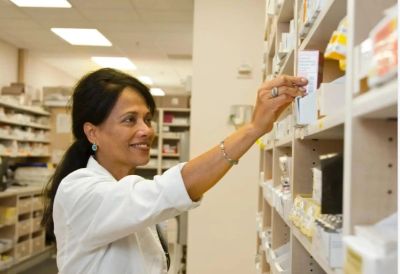
Certificate in Pharmacy Technician (CPT) program is an intensive, practice-oriented program designed for individuals with relevant professional experience who wish to upgrade their academic qualifications and enhance their competencies in pharmacy practice.
Key Elements of the Program
This one-year program builds upon prior field experience, strengthening the theoretical knowledge, clinical understanding, and technical skills required to effectively support licensed pharmacists across diverse healthcare environments. It focuses on advancing competencies in medication dispensing, pharmacy operations, inventory management, and patient interaction in alignment with current industry standards.
The curriculum integrates key areas such as medical sciences, pharmacy informatics, and pharmaceutical calculations, alongside applied training that reflects real-world pharmacy settings. Emphasis is placed on accuracy, safety, and professionalism, ensuring that participants refine their existing skills while adopting updated practices and technologies in pharmaceutical care.
Through a combination of academic modules, simulation-based learning, and supervised practical exposure, participants enhance their ability to manage prescriptions, perform dosage calculations, maintain pharmacy records, and contribute effectively to patient-centered care.
Program Structure
Phase 1: Advanced Foundations in Pharmacy Practice
This phase reinforces essential knowledge in anatomy and physiology, medical terminology, pharmacy informatics, and healthcare law and ethics. It bridges practical experience with academic standards, emphasizing professional communication and regulatory compliance.
Phase 2: Core Pharmacy Technician Competencies
Learners focus on pharmaceutical calculations, pharmacy operations, pharmacology, and pharmaceutics. Training includes medication dispensing techniques, compounding basics, inventory systems, and quality assurance practices aligned with modern pharmacy environments.
Phase 3: Applied Practical / Experiential Learning
The final phase emphasizes supervised practical application in community, retail, or hospital pharmacy settings. Participants refine their skills in prescription processing, patient interaction, pharmacy system management, and workflow efficiency under professional guidance.
Career Opportunities
This certificate enhances opportunities for:
· Advanced or senior pharmacy technician roles
· Specialized positions in hospital or clinical pharmacy settings
· Inventory, dispensing, or pharmacy operations supervision
· Roles in pharmaceutical sales support and healthcare services
It also supports progression into:
· Diploma or degree programs in pharmacy or health sciences
Certification and licensure pathways (subject to regional requirements)
The CPT program equips experienced professionals with updated academic knowledge, enhanced technical proficiency, and a recognized credential - bridging the gap between hands-on experience and formal education in the evolving field of pharmacy practice.
Certificate in Medical Assistant
Overview
The Certificate in Medical Assistant (CMA) is aimed to provide a supportive learning environment in which the student acquires theoretical knowledge, technical skills, and professional attributes necessary to obtain entry-level positions in the field of Medical Assisting.
Key Elements of the Program
This one-year program comprises academic instruction (theory + lab), observership in Health facility and Clinical Practical Experience for hands on experience.
At the conclusion of the program, students will be prepared with the knowledge and skills required in the areas of anatomy, physiology, pathology, the body systems, medical terminology, medical front office procedures, venipuncture, laboratory diagnostic procedures, EKG, and administration of parenteral medications to function successfully in an entry-level position as a Medical Assistant in a clinic or physician’s office.
Program Structure
Phase 1: Foundation in Medical Sciences and Healthcare Services
The first phase provides students with a strong foundation in healthcare sciences, communication, healthcare systems, and quantitative skills essential for the medical profession. Students are introduced to the structure and function of the human body, professional healthcare environments, and the principles required for effective communication and problem-solving in healthcare settings. An observership component allows students to gain early exposure to clinical and healthcare operations.
Phase 2: Patient Care and Diagnostic Skills Development
This phase focuses on the development of patient care competencies, clinical support skills, and diagnostic procedures. Students build practical knowledge related to patient assessment, healthcare assistance, laboratory procedures, and professional communication. Through supervised observership experiences, students gain a deeper understanding of patient flow, triage processes, and healthcare team collaboration.
Phase 3: Pharmacology and Clinical Practical Experience
The final phase emphasizes the application of knowledge and skills in real healthcare settings. Students develop competency in medication-related concepts and participate in extensive supervised clinical practical experience. This hands-on training enables students to integrate theoretical knowledge with professional practice, preparing them for entry-level employment as Medical Assistants in various healthcare environments.
Career Opportunities
Whether in a physician’s office, a clinic, or hospital-owned physician network, the Medical Assistant performs many services on the physician’s behalf. These may include admissions work, preparing the patient for examination or treatment, operating diagnostic equipment, and performing diagnostic procedures. The Medical Assistant is also responsible for the patient’s medical records and insurance forms as well as for scheduling appointments and maintaining medical records for the physician.
Certificate in Phlebotomy
Overview
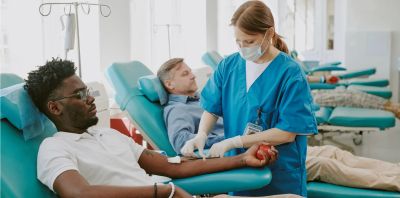
The Certificate in Phlebotomy is an intensive, skills-focused program designed for individuals with relevant professional experience who wish to upgrade their academic credentials and advance their expertise in diagnostic and laboratory services.
Key Elements of the Program
This one-year program builds on existing hands-on experience, enhancing clinical, technical, and interpersonal competencies essential for safe and effective phlebotomy practice. It focuses on refining skills in blood collection, specimen handling, laboratory safety, and pre-analytical diagnostic processes -critical components of modern healthcare systems.
Participants benefit from a structured blend of academic instruction, simulation-based laboratory training, and supervised clinical exposure. The program emphasizes accuracy, patient safety, infection control, and professional communication, ensuring current healthcare standards and best practices.
Program Structure
Phase 1: Advanced Foundations and Professional Practice
This phase strengthens knowledge in medical terminology, healthcare ethics, infection control, and patient communication. It bridges prior experience with standardized clinical protocols and laboratory procedures.
Phase 2: Specialized Phlebotomy and Laboratory Skills
Participants refine competencies in specimen collection techniques, handling, labeling, transportation, and storage. Training also includes laboratory protocols in hematology, clinical biochemistry, and microbiology, along with biosafety and quality assurance practices.
Phase 3: Applied Clinical Practice / Observership
The final phase focuses on supervised clinical experience in hospitals or diagnostic laboratories. Participants demonstrate proficiency in real-world settings, performing venipuncture, ensuring patient care standards, maintaining documentation, and supporting laboratory workflows.
Career Opportunities
This certificate enhances opportunities for roles such as:
· Phlebotomy Technician
· Laboratory Assistant
· Blood Collection Specialist
· Diagnostic Laboratory Support Staff
· Medical Administrative or Clinical Support Roles
Graduates may also progress into:
· Advanced laboratory science or healthcare programs
Specialized certifications in phlebotomy or diagnostic services
The Phlebotomy program equips experienced professionals with updated academic knowledge, refined technical skills, and a recognized credential -bridging practical experience with formal education and enabling career growth in the expanding field of diagnostic healthcare services.
Check Our Other Programs

Associate Programs
Our Associate of Science programs offer rigorous academic preparation for careers in applied medical and clinical laboratory sciences.
Diploma Programs
These programs are ideal for candidates with relevant basic experience or engagement. seeking high-impact careers in essential, patient-facing roles.