ASSOCIATE OF SCIENCE PROGRAMS

Depth, Discovery, and Direction
Our Associate of Science programs offer rigorous academic preparation for careers in applied medical and clinical sciences. With a focus on laboratory precision, research skills, and global relevance, these programs shape graduates ready for further study or direct entry into specialized healthcare fields.
ASc - Clinical Laboratory Sciences
Overview
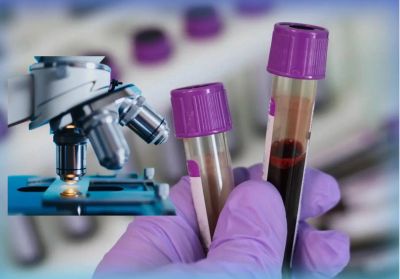
The Associate of Science in Clinical Laboratory Sciences (ASc-CLS) prepares students to become skilled professionals in diagnostic science. This program equips learners to perform, interpret, and manage laboratory tests critical to patient care, medical research, and public health.
With extensive lab training, real-world simulations, and a curriculum aligned with global standards, students graduate with the competence and confidence to contribute meaningfully to clinical environments and diagnostic laboratories.
Key Elements of the Program
Hands-On lab training from Year 1 Core courses include microbiology, hematology, immunology, and clinical chemistry.
Diagnostic equipment proficiency real-time exposure to industry-standard lab instruments and protocols.
Global curriculum standards designed in alignment with ASCP and international certification expectations.
Simulation-Based case studies practice real clinical scenarios to enhance decision-making and accuracy.
Career-Ready by graduation, eligible to work in hospitals, research labs, diagnostics centers, and public health organizations.
Structured - 23 in class and 06 medical lab courses and 03 out of class vocational trainings and 03 out of class professional clinical practice experience in lab settings.
Program Structure
A comprehensive, application-based program designed to produce highly skilled laboratory professionals prepared to play a critical role in modern healthcare delivery. This three-year associate program is structured to equip students with a deep understanding of laboratory diagnostics, analytical techniques, and healthcare technologies essential for clinical and research settings.
YEAR 01: FOUNDATION IN HEALTH SCIENCES AND CLINICAL READINESS
The first year lays the groundwork in scientific principles, healthcare communication, and basic laboratory skills. Students will complete coursework in medical terminology & english communication, healthcare Informatics, epidemiology, and Biomedical Tools. Vocational training begins early, with clinical exposure in history taking, communication, and vital sign assessment.
Further study introduces microbiology, pharmacology, clinical chemistry, and medical laboratory diagnostics, along with healthcare law and ethics, allowing students to build competencies in both scientific methods and healthcare professionalism.
YEAR 02: CORE LABORATORY SCIENCE AND RESEARCH SKILLS
This phase focuses on genetics, pathology, anatomy and physiology, histology, and clinical instrumentation. practical skills are sharpened through immersive vocational training in nursing care and exposure to hospital-grade diagnostics.
Students advance to laboratory - intensive modules in immunology, hematology, histo-pathology, parasitology, biochemistry, and medical microbiology. The curriculum also incorporates laboratory safety, quality assurance, and an applied community / laboratory research project.
YEAR 03: CLINICAL PRACTICE EXPERIENCE
The final year is dedicated to supervised clinical practice in affiliated hospitals and laboratories. Students complete three progressive levels of professional clinical practice experience (CPE), allowing them to apply diagnostic techniques, operate complex lab equipment, interpret clinical data, and interact with healthcare professionals in real settings. These hands-on experiences are critical to developing clinical competence, critical thinking, and workplace readiness.
Career Opportunities
The program prepares graduates for diverse roles, including but not limited to:
Core Clinical Roles:
Clinical laboratory scientist, technologist, medical laboratory technician, hematology, microbiology, or blood bank specialist, laboratory supervisor / manager, infection control officer, clinical research associate, laboratory information systems analyst.
Extended Career Pathways:
Technical or sales specialist in diagnostic companies, quality assurance or regulatory affairs professional, biomedical product development or R&D, public health laboratory analyst, educator or clinical trainer, forensic or veterinary laboratory scientist.
Further Education & Advancement:
Graduate studies in biomedical science, public health, molecular biology, or lab management.
Entry into medical, dental or pharmacy school.
ASc - Applied Medical Sciences
Overview
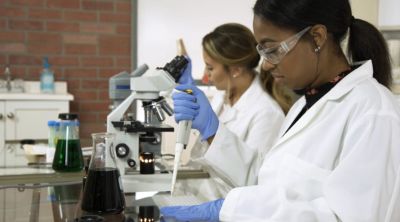
The Associate of Science in Applied Medical Sciences is a comprehensive program built for students aiming to enter medicine, biomedical research, public health, or health administration.
This 03 - year, academically intensive program lays the scientific and clinical foundation needed to pursue advanced medical education or healthcare careers. Emphasizing lab skills, evidence-based learning, and human-centered ethics, this program is ideal for learners who want a deep, structured path into the health sciences world.
Key Elements of the Program
Strong Premed Curriculum: Courses aligned with requirements for MD or health sciences graduate schools.
Laboratory-Intensive Learning: Emphasis on premedical, skills / simulation labs.
Research Methods & Ethics Training: Includes foundational exposure to biomedical research practices.
Pathway to Advanced Study: Graduates may advance for medical, public health, health associate, physician assistant programs.
Small Class Sizes & Mentorship: Personalized guidance throughout academic journey.
Global Recognition Structure: Curriculum modeled after international academic standards for degree portability.
Program Structure: 36 in Class and lab Courses and 05 out of class observership, 01 research lab training and 01 out of class Clinical training in Hospital settings.
Program Structure
A comprehensive, career-oriented program designed to prepare students for advanced studies and professional careers across the spectrum of health and biomedical sciences.
YEAR 01: FOUNDATIONAL SCIENCES AND ACADEMIC SKILL BUILDING
The first year lays the groundwork in basic sciences viz., inorganic chemistry, physics, cell biology and anatomy and physiology with basic laboratory skills. Students will complete coursework in medical english communication, medical terminology. Observership / training begins early.
YEAR 02: INTERMEDIATE MEDICAL SCIENCES & HEALTH PERSPECTIVES
This phase introduces organic chemistry, biochemistry, molecular biology, microbiology, along with research methods and bioethics, allowing students to build competencies in both scientific methods and healthcare professionalism. Students gets exposure to nutrition, epidemiology, and healthcare informatics and involved in advanced clinical observership / training in communication and vitals.
YEAR 03: APPLIED CLINICAL SCIENCE & PROFESSIONAL PREPARATION
The final year is dedicated to courses in pathology, pharmacology, immunology, and clinical chemistry along with obervership / training in nursing care, health systems, and patient assessment. Students will undergo supervised research and lab training as well. Final trimester includes structured hospital or laboratory training in relevant departments. These experiences are critical to developing clinical competence, critical thinking, and workplace readiness.
Career Opportunities
Graduates of the ASc-AMS program will be well-positioned for admission to professional schools or immediate employment in research, diagnostics, healthcare administration, or allied health services. The program is ideal for students aspiring to become physicians, scientists, or leaders in the health professions.
Check Our Other Programs

Diploma Programs
These programs are ideal for candidates with relevant basic experience or engagement. seeking high-impact careers in essential, patient-facing roles.
Certificate Programs
These programs are ideal for candidates with significant experience who seek to upgrade their academic qualifications and enhance their expertise.